Activities · Ubud and around
Rafting the Ayung river
The island's classic raft run: two gentle hours through a jungle gorge near Ubud, suited to first timers and children, with the honest catch waiting at the stairs.

The Ayung, the island's longest river, cuts a deep jungle gorge along the western edge of Ubud, and the raft run through it is the classic version of white water in Bali: lively enough to be fun, gentle enough for first timers and children, and pretty enough that the calm stretches are the point as much as the rapids. For a first ever raft, there are few friendlier rivers anywhere.
What the run is like
In rafting terms the Ayung is graded gentle, class II with moments of III when the water is up: splashy, short, frequent rapids with calm pools between them for looking up at the gorge. And the gorge rewards looking up: walls of jungle closing overhead, waterfalls dropping straight into the river after rain, long carved reliefs cut into one cliff face that arrive unannounced around a bend, and kingfishers working the banks. The run itself lasts roughly two hours on the water, inside a half day with transfers, changing and the meal most operators serve at the end.
You paddle, but the guide steers: each raft carries one, calling the strokes and doing the real work through the drops. Operators provide the raft, helmet, jacket and paddle, and a dry barrel for whatever must come along. You will get soaked, repeatedly, from the first rapid, and that is the product; phones survive only in the barrel, and the waterproof pouch on a lanyard has ended more phones than the river.
The honest catch
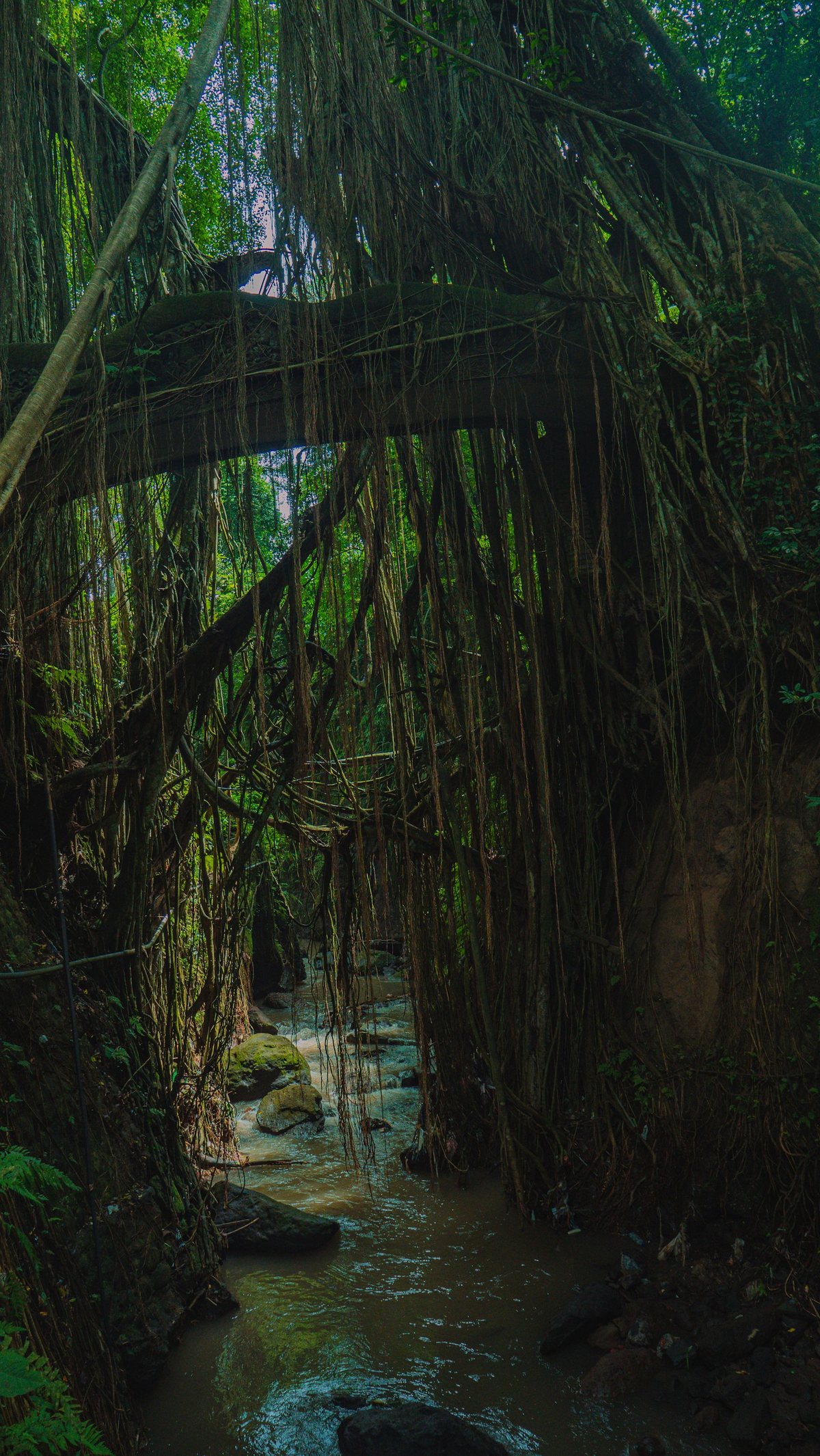
The gorge is deep and the river does not come to the road: every trip starts and ends with long flights of concrete stairs, hundreds of steps in each direction, in heat and humidity, sometimes with the paddle in hand. Fit visitors barely notice. Anyone with knee trouble, or anyone booking for parents of a certain age, should count the stairs as the actual difficulty of the day, well ahead of anything the river does. It is the single most under-disclosed fact of the activity, which is why it sits here in its own section.
Who it suits, and who it does not
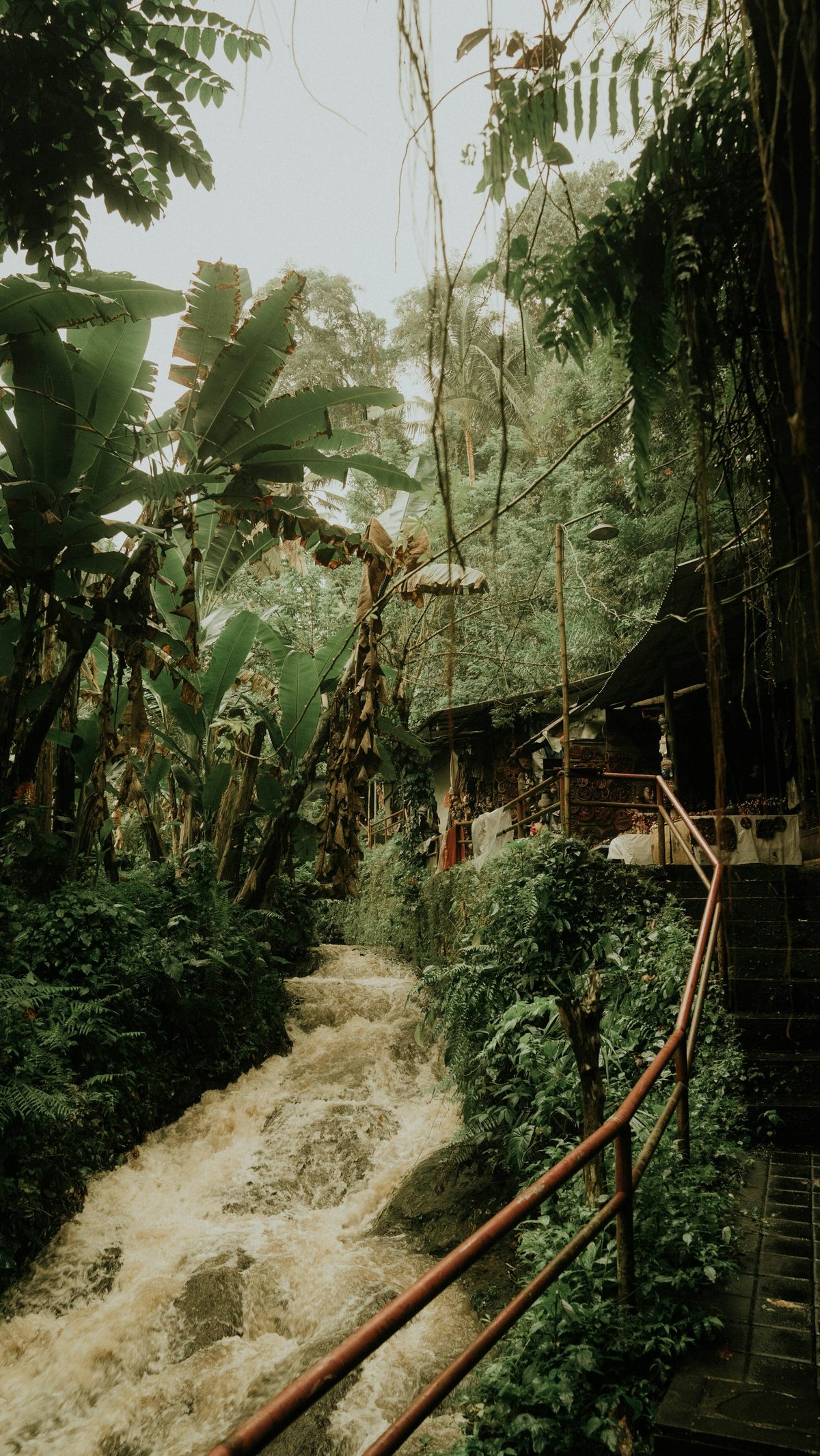
Families are the river's core public, and children genuinely enjoy it; operators set their own minimum ages and the sensible move is to state your child's age when booking rather than at the riverbank. The same booking forms exclude pregnant travellers and serious heart and back conditions, and mean it. Swimmers have an easier relationship with the splashing, but the jacket does the floating: falling out is rare, brief and part of the folklore. Wear clothes that dry, shoes that strap on, and nothing you love; leave the jewellery at the hotel and bring the change of clothes operators always mention and guests always forget.
When the river is worth it
The wet season raises the flow and sharpens the ride, which is when the run is at its best; the late dry season can leave stretches shallow enough to scrape and drag. After the heaviest storms, good operators cancel on their own judgement, because a flash swollen river is a different sport; treat a cancellation as competence, not lost money. The run operates most of the year regardless, and the trade offs by month live in the seasonal guide. Mornings beat afternoons in the wet months, when the storms tend to arrive after lunch.
The alternative river
The Telaga Waja, in the east below Sidemen, is the island's other raft run: longer, a touch livelier, colder water off the flank of Agung, and reached without the Ayung's staircases, which makes it the answer for keen paddlers and stair-averse knees alike. It costs more of the day in driving from the southern resorts, a trade the travel time matrix states plainly.
Fitting it into the day
The put-ins sit minutes from Ubud, so the raft pairs naturally with an afternoon at the Monkey Forest or an early evening on the Campuhan ridge once you are dry. From Canggu or the southern resorts, the transfer is the real cost of the morning. Operator prices vary with season and pickup point, and we publish none until we can date them from a source.