Activities · Ubud and around
A Balinese massage, and how to pick where
The word covers a trained therapist working a real technique and a stranger on a beach chair with oil already on your shoulders. What the technique involves, what Indonesia's national system does and does not settle, and the signals that separate a spa from a room with a table.
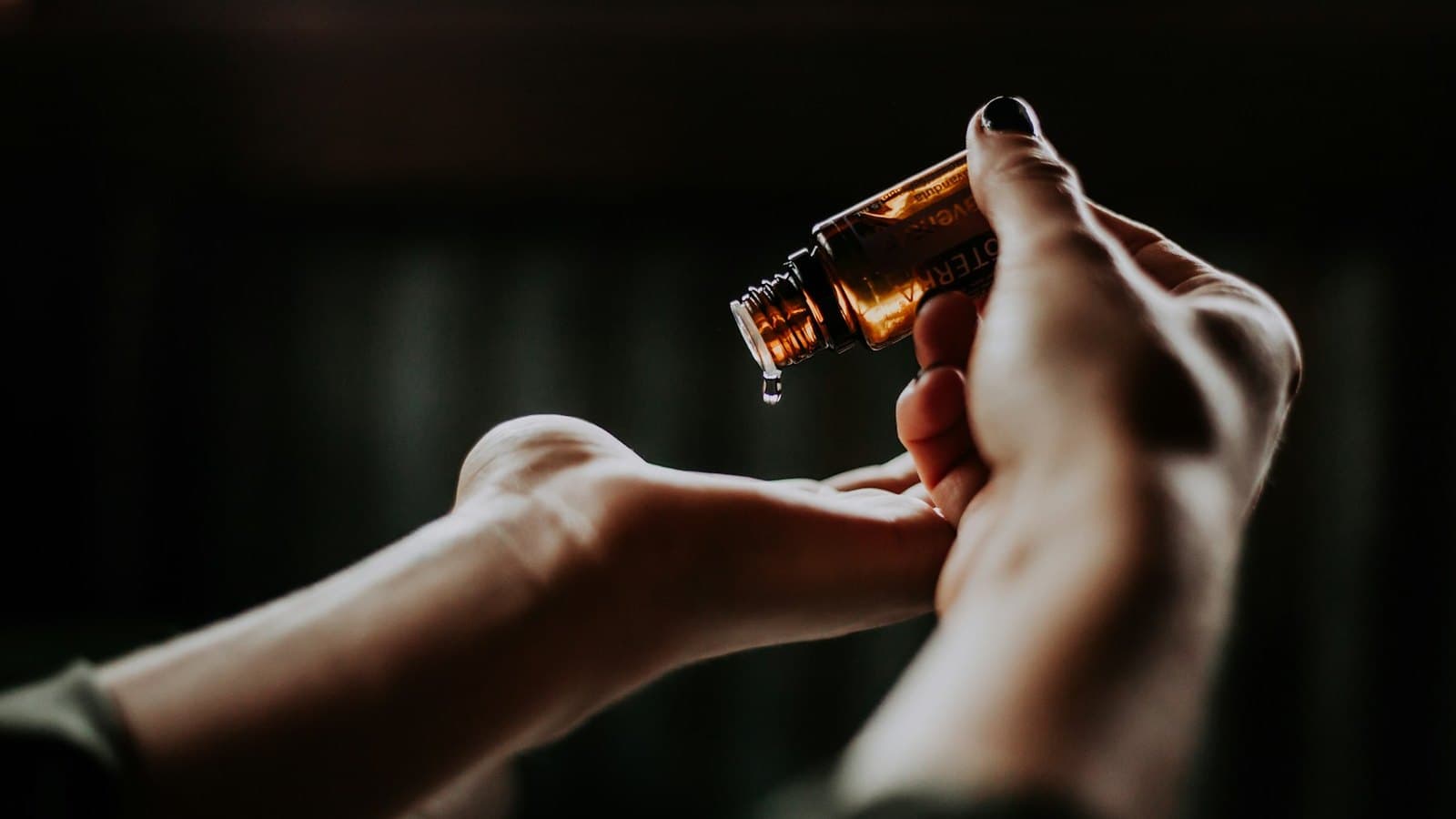
"A Balinese massage" describes a technique. It can also describe whatever a stranger in a plastic chair on the sand wants to call the ten minutes she is about to spend on your shoulders. Nothing forces those two things to have anything in common, and very little in Indonesia checks whether they do. What separates a trained therapist from a chair and a bottle of oil is not the sign outside, it is a short list of things you can actually see before you lie down.
The technique has a name, and specific moves
A real Balinese massage opens and closes with long, unbroken strokes that run the length of a limb or the back rather than working one small patch, the single element that most distinguishes the style from others. Between those long strokes come three other elements: acupressure at fixed points along the body, firm palm pressure worked in circles over muscle, and lighter skin rolling and flicking at the surface, sometimes finished with percussion, a rhythmic tapping over the back. Aromatic oil runs through the whole session rather than arriving only at the end. The combination draws on three separate traditions at once: the stretching and oils of Indian Ayurveda, the point-pressure work associated with Chinese practice, and an older layer of village bodywork that belonged to Bali before either import arrived. A session with none of that, only kneading, with no long strokes and no pressure points, is a plainer thing wearing the same name.
Where the technique comes from, and where the record stops
Balinese medicine was not written down by the people who practised it. It travelled hand to hand inside villages and families, taught rather than published. The record that outsiders keep returning to is a German physician's ethnography, Wolfgang Weck's "Heilkunde und Volkstum auf Bali," published in Stuttgart in 1937 and reprinted in Jakarta in 1976 and again in 1986, which says something about how thin the shelf behind it is. Thai massage, by comparison, carries centuries of its own texts and a state licensing system built on top of them. Balinese massage carries neither: no indigenous canon fixing the technique to a single lineage, and, so far as we have been able to establish, no equivalent Indonesian licensing regime built specifically around it. That gap is worth stating plainly rather than papering over with a certificate this page cannot verify.
What Indonesia's national system does settle, and does not
Indonesia does run a national framework that touches spa therapists: a competency standard for the spa sector issued by the Ministry of Manpower, used as the reference for training providers and for the certificates that BNSP, the national professional certification body, issues through its accredited certifying bodies. What we could not establish, reading the ministry and certifying-body material directly, is whether holding one is a legal requirement to work as a massage therapist anywhere in Indonesia, or whether a guest can check a therapist's certificate against any public register before booking. Treat a certificate on the wall as a real credential worth noticing, not as proof of a licensing regime this page cannot confirm exists.
The signals worth reading
A private room with a closed door and a table beats an open chair with no partition, every time; ask what the room looks like before anything else is agreed. A spa that asks about injuries, pregnancy or recent surgery before starting is running an intake, which a beach chair never does. Linen changed between clients, a written and dated price list, and a fixed address you could return to if something went wrong are all ordinary signs of a business rather than a moving stall. None of these prove the therapist trained for years; together they remain the best read available without a file to inspect.
Both versions have their place
None of this makes the beach chair a scam. A quick, cheap rub after a day in the sun in Kuta or Seminyak, taken for exactly what it is, is a different purchase from an hour booked in Ubud with a trained therapist working the full sequence, and mistaking one for the other is the only real error available here. The same stretch of coast that runs the beach clubs also runs the massage chairs between them, priced and staffed for a different afternoon than a spa room ever was.
By early evening in Ubud the therapists who worked the morning shift are folding fresh sheets for the next booking, frangipani oil still on their hands, while on the coast the last beach chair of the day is dragged back up above the tideline, empty, waiting for tomorrow's sun.