Activities · Ubud and around
The coffee plantation tour and kopi luwak
Almost every plantation stop on the Ubud circuit sells kopi luwak, coffee from beans passed through a civet. What separates a tasting flight from a cage twenty metres away, and how to tell before you buy a ticket.
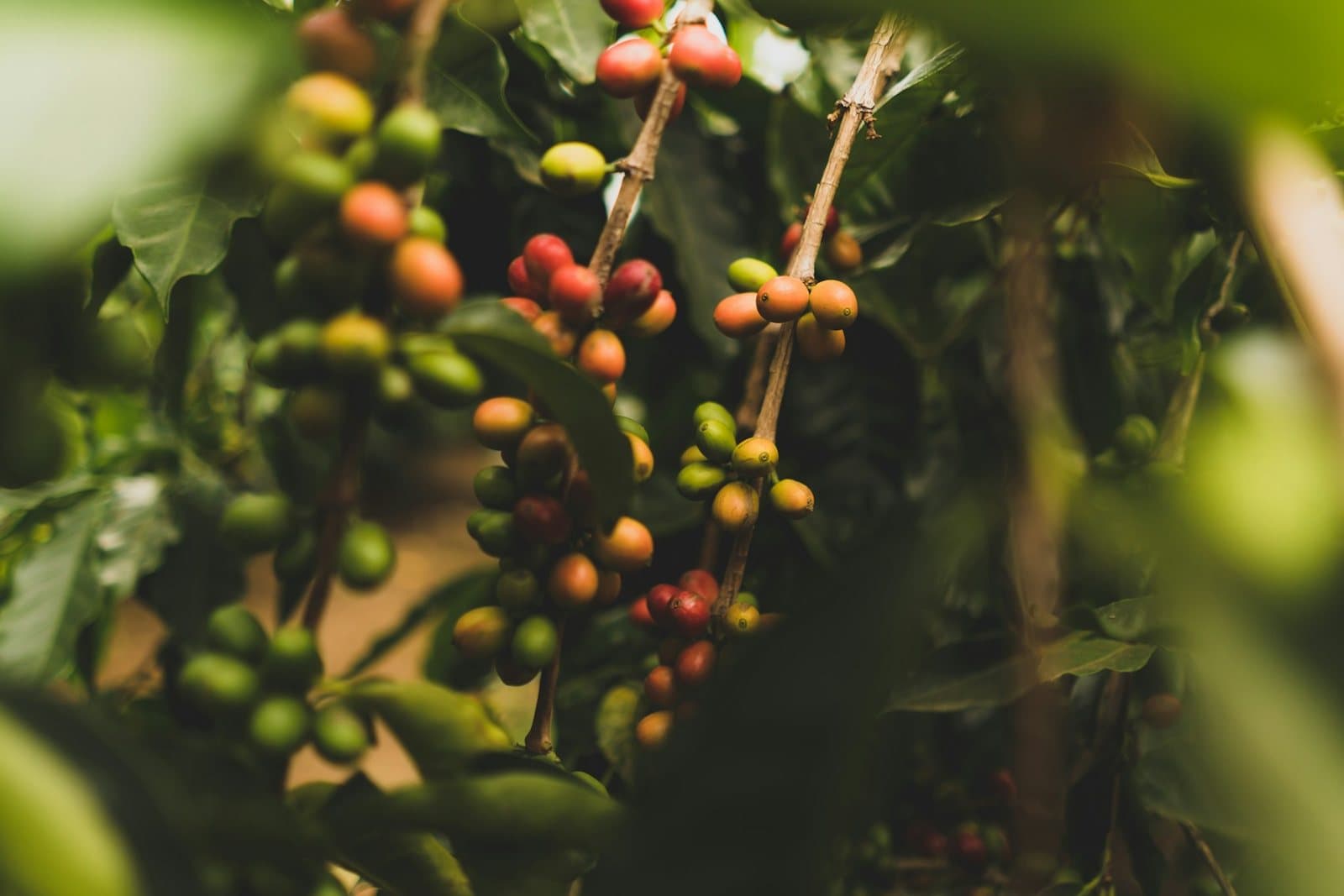
Kopi luwak is coffee made from cherries a civet has eaten, digested and passed whole, the pulp stripped away by the animal's gut and the bean recovered from its droppings. That process is real and predates tourism by generations. In its original form it is wild: a farmer walks the plantation at dawn collecting droppings a free-ranging civet left overnight, the animal having already chosen the ripest cherries itself. The version sold on most Ubud tour stops is not that. It is a civet in a cage, fed cherries by hand because a caged animal cannot forage, and the coffee it produces is the sales pitch a bus of visitors is driven to twice a day.
What caging does to the coffee
The quality claim for kopi luwak rests entirely on selection: a wild civet eats only the ripest cherries it can find, and the enzymes in its gut alter the bean during digestion in a way roasters prize. A caged civet has no ripe cherries to choose between. It eats whatever is put in the bowl, and force-feeding an animal that would otherwise range across a plantation at night produces stressed digestion rather than the varied, selective kind the reputation depends on. The tourist product mimics the name of something whose value came from an absence of exactly the confinement it now relies on.
What the cage means for the animal
Civets are solitary, nocturnal and wide-ranging in the wild. The version kept for tourist tastings lives in a wire cage barely larger than its body, on a diet of coffee cherries alone rather than the insects, fruit and small animals a wild civet actually eats, and handled by staff for photographs throughout opening hours despite being a nocturnal species that would otherwise be asleep. Welfare investigations into Bali's civet coffee trade have documented this repeatedly: cramped cages, stereotyped pacing, and stress behaviour in animals that a wild population would never show. None of it is hidden, exactly. It is simply twenty metres from the tasting terrace, past the spice garden, where most tour buses do not walk their passengers.
What a standard stop actually is
A typical plantation visit is a free walking loop through a spice and coffee garden, cardamom, vanilla, cacao and cinnamon growing along a marked path, ending at a terrace where a server brings a tray of small cups: Balinese coffee, ginseng coffee, several fruit teas, and kopi luwak priced separately from the rest of the flight. The walk and the tasting of the regular coffees cost nothing, which is the tell: nothing here is a charity, and the free garden exists to deliver visitors to the counter where the expensive cup is sold. Asking to see where the kopi luwak beans actually come from is a reasonable question at any stop that is proud of its answer.
How to tell before you buy a ticket
A plantation that has gone wild-collection or dropped kopi luwak entirely will say so on its signage and usually can point to a forest area rather than a row of cages near the car park. One that still cages animals will have those cages visible from the tasting terrace or just off the garden path, penned civets on display as part of the tour rather than kept out of sight, because the animal is part of the show, not an embarrassment to hide. Walking the full loop before ordering, and looking for cages rather than avoiding them, is the fastest way to know which kind of stop you are standing in.
What is worth the visit anyway
None of this makes the highland coffee stops a waste of a morning. Balinese coffee grown on volcanic soil at altitude is genuinely good without any civet involved, the spice garden is an easy, free introduction to cardamom vine and vanilla orchid for anyone who has only seen them ground, and the terraces around Kintamani and the Ubud highlands sit above rice terraces and crater views worth the stop on their own. Order the Balinese coffee, skip the caged cup, and spend the time you save looking at the cardamom vine instead of the cage.