Activities · Ubud and around
A Balinese cooking class in Ubud
A class that hands you bowls of pre-chopped shallot and chili has already done the work for you. The one worth booking starts at a market or a garden, hands you a mortar, and teaches the base paste first.
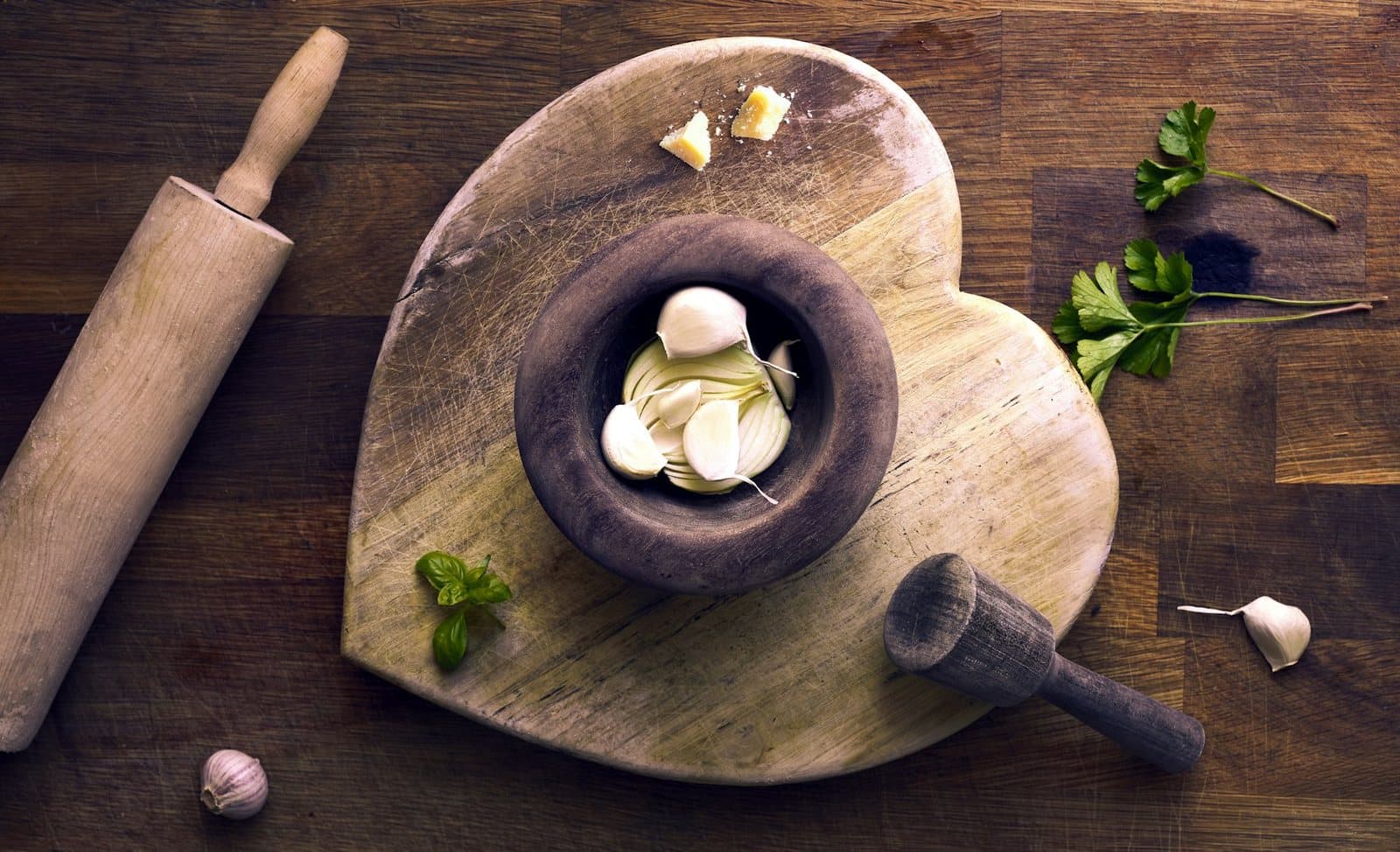
A cooking class that starts with bowls of shallot, garlic and chili already chopped has taught you nothing yet: the work that makes Balinese food Balinese happened in a kitchen before you arrived. The class worth booking starts at a market stall or a garden bed, hands you a stone mortar and whole, unprepared ingredients, and makes you grind the paste yourself.
The paste is the dish
Balinese home cooking runs on a base paste called bumbu, ground from shallot, garlic, ginger, galangal, turmeric, candlenut, chili, coriander seed and fermented shrimp paste, in proportions that vary by household and by dish. That one paste, or close variants of it, underlies lawar, sate lilit, sambal and most of the curries that look like separate cuisines on a menu. Learning to build the bumbu from raw ingredients teaches the logic behind an entire repertoire; learning to assemble one finished plate from ingredients someone else already prepped teaches nothing that transfers to the next dish.
What a serious half day looks like
It starts early, usually at a traditional market such as Ubud's own or at a working garden, walking the stalls to see and smell what goes into the paste before it is bought or picked. Back at the kitchen, the ingredients are whole: rhizomes still in their skins, shallots with the papery layer on, chili by the handful. The group grinds the bumbu by hand in a stone mortar, then splits it across several dishes, rice, a vegetable lawar, sate lilit pounded onto lemongrass skewers, a sambal made fresh at the end. The class eats what it cooked, together, at a shared table, and the whole morning runs to a half day rather than a rushed hour.
The flags that separate real from staged
A table already set with bowls of pre-chopped ingredients before anyone sits down is the clearest tell: the actual cooking happened in a back kitchen, and the class is assembly dressed as instruction. A group too large to gather around one mortar, an instructor who calls out steps without explaining why one spice goes in before another, and a schedule with no market or garden visit at all point the same direction. The reverse of each is the test for a class worth paying for.
Say the constraints when you book
Shrimp paste sits inside the base bumbu of many dishes, not as a garnish that can be lifted off the plate, so a shellfish allergy or a vegan diet changes the paste itself and needs to be flagged when booking, not announced in the kitchen once the ingredients are already laid out. Pork appears widely too, in babi guling and other dishes, so anyone avoiding it should say so in advance for the same reason. A kitchen that keeps a genuinely separate bumbu for these requests, rather than picking meat out of the finished dish, is doing the work properly.
The best use of a wet afternoon
Because the whole class runs indoors under a roof, it is the strongest answer Ubud has to a rainy morning, exactly the kind of stretch the wettest months hand out often. Pair it with the walk along Campuhan Ridge on the next clear morning and the wet and dry halves of an Ubud stay both have a plan.
The last dish to reach the table is usually the one nobody photographs: a spoonful of the raw bumbu itself, unchanged since the mortar, tasted on its own before anything built from it arrives.